📷 Massimo Ponti, CC BY-SA 4.0, via Wikimedia Commons
Top 10 Dive Sites in Sardinia
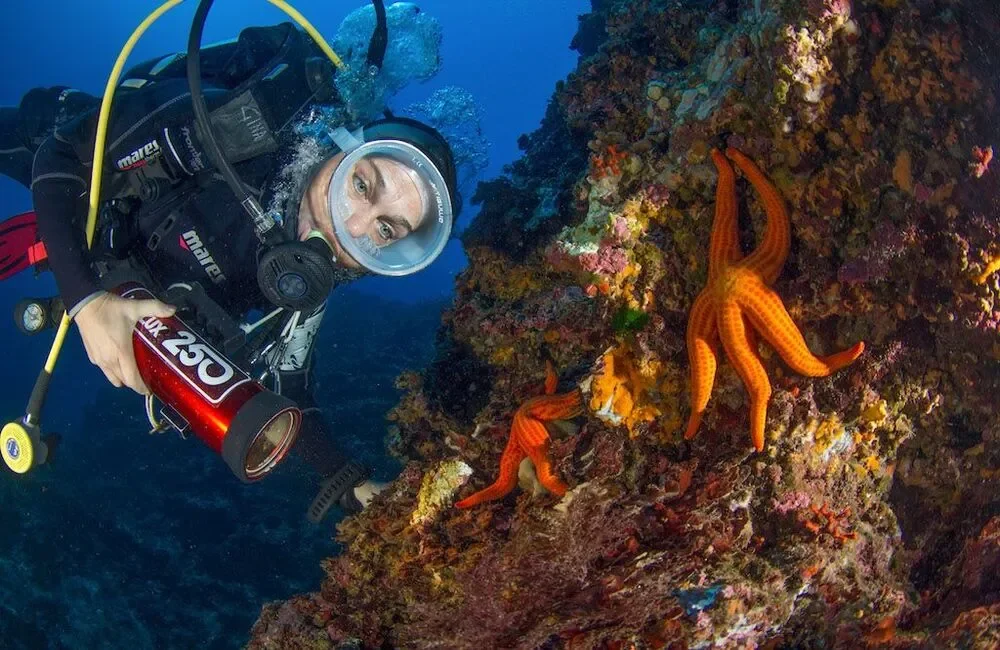
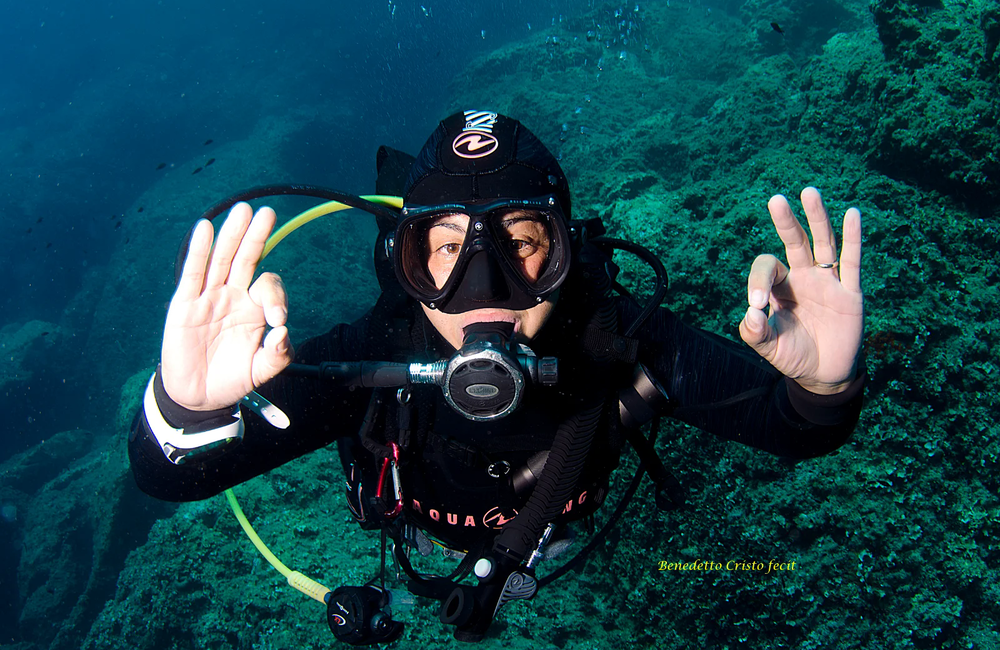
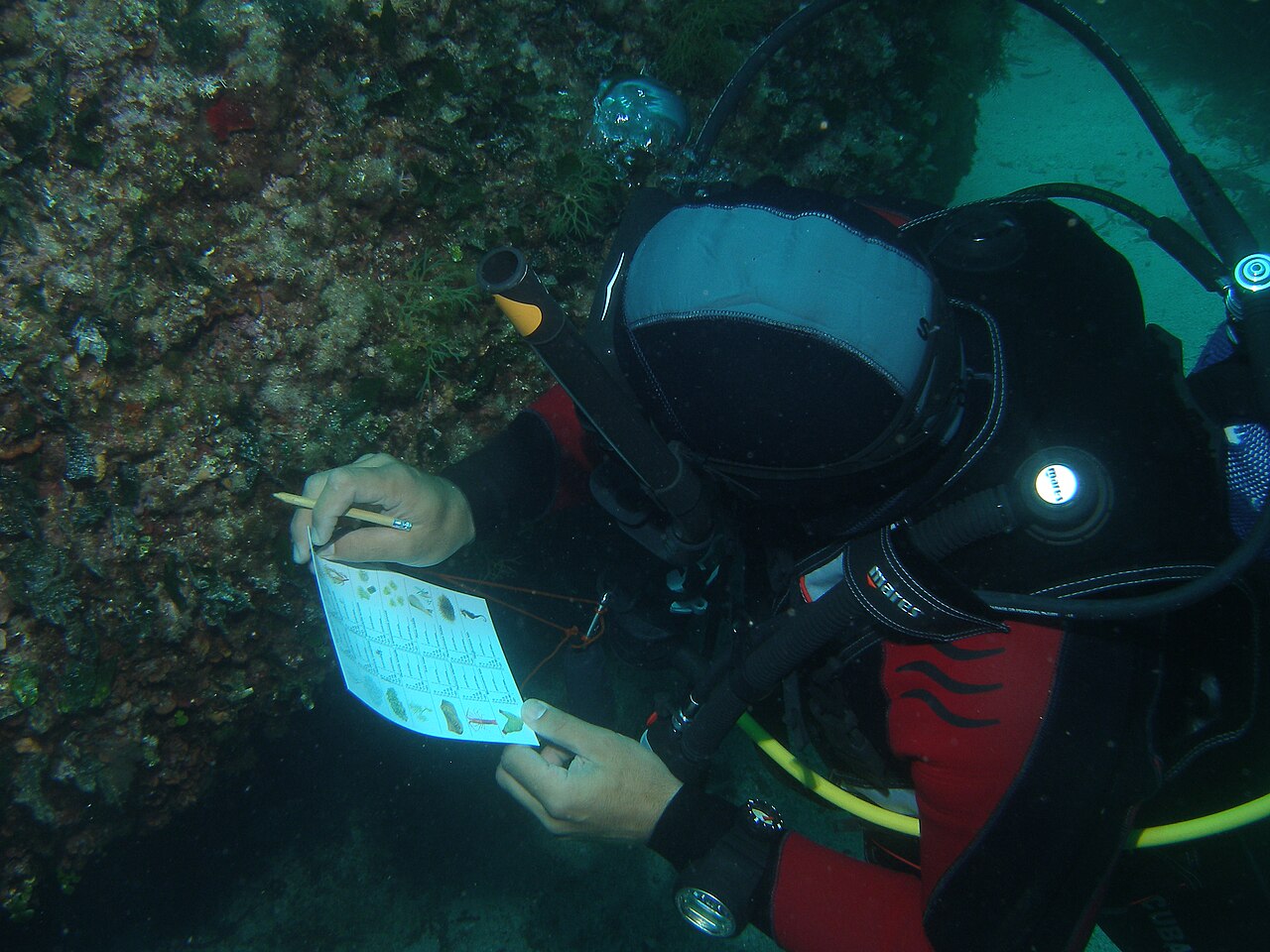
Some of the clearest waters in the Mediterranean, underwater caves, gorgonian-covered wrecks, and marine protected areas: Sardinia has dozens of dive sites. Here are the top ten spots to know, coast by coast, with the required level and best time for each.
When to Dive
Monthly overview of conditions in this destination.
| Jan | Feb | Mar | Apr | May | Jun | Jul | Aug | Sep | Oct | Nov | Dec | |
|---|---|---|---|---|---|---|---|---|---|---|---|---|
| Climate | 🌦️ | 🌦️ | 🌤️ | 🌤️ | ☀️ | ☀️ | ☀️ | ☀️ | ☀️ | 🌤️ | 🌦️ | 🌦️ |
| Water temperature | 7-14 | 7-14 | 9-16 | 11-19 | 14-23 | 18-28 | 21-31 | 21-31 | 18-27 | 15-23 | 11-18 | 8-15 |
| Sea temperature | 14-15 | 13-14 | 14-15 | 15-16 | 17-19 | 20-23 | 23-25 | 24-26 | 23-25 | 20-22 | 17-19 | 15-16 |
| Peak season | ● | ● | ||||||||||
| Diving conditions | ⭐ | ⭐ | ⭐⭐ | ⭐⭐⭐ | ⭐⭐⭐ | ⭐⭐⭐ | ⭐⭐⭐ | ⭐⭐ | ⭐ |
| Jan | Feb | Mar | Apr | May | Jun | Jul | Aug | Sep | Oct | Nov | Dec | |
|---|---|---|---|---|---|---|---|---|---|---|---|---|
| Climate | 🌦️ | 🌦️ | 🌤️ | 🌤️ | ☀️ | ☀️ | ☀️ | ☀️ | ☀️ | 🌤️ | 🌦️ | 🌦️ |
| Water temperature | 7-14 | 7-14 | 9-16 | 11-19 | 14-23 | 18-28 | 21-31 | 21-31 | 18-27 | 15-23 | 11-18 | 8-15 |
| Sea temperature | 14-15 | 13-14 | 14-15 | 15-16 | 17-19 | 20-23 | 23-25 | 24-26 | 23-25 | 20-22 | 17-19 | 15-16 |
| Peak season | ● | ● | ||||||||||
| Diving conditions | ⭐ | ⭐ | ⭐⭐ | ⭐⭐⭐ | ⭐⭐⭐ | ⭐⭐⭐ | ⭐⭐⭐ | ⭐⭐ | ⭐ |
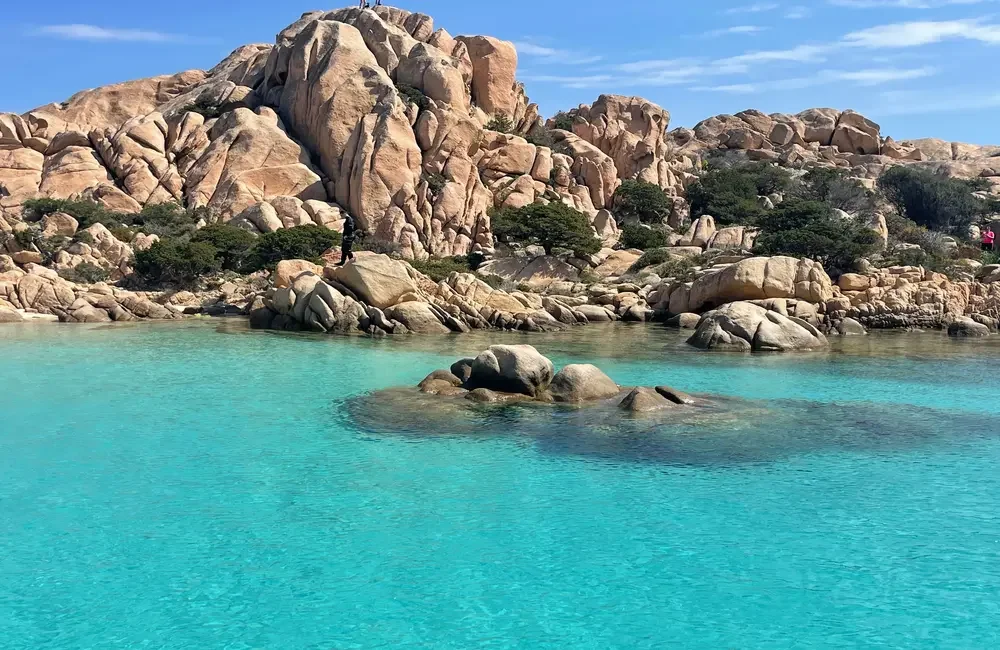
With nearly 1,800 kilometers of coastline, Sardinia offers very different dives depending on the shoreline: granite in the north, limestone cliffs with caves to the west and east, and rocks and shallow areas in the south. Here is our selection.
1. Secca del Papa (Tavolara)
This is the most renowned dive site on the island. Off the island of Tavolara, in a marine protected area, several rocky pinnacles rise from the bottom to about fifteen meters. Tame groupers, schools of barracudas, dentex, and large red gorgonians: the best of the Mediterranean. Level: intermediate to advanced.
2. Nereo Cave (Alghero)
Under the cliffs of Capo Caccia, the Nereo Cave is considered one of the largest marine caves in the Mediterranean. Tunnels, arches, and chambers are visited along several routes, between 15 and 35 meters. The walls are covered with sponges and red coral. Level: intermediate, good buoyancy essential.
3. Wreck of the KT-12 (Gulf of Orosei)
This German cargo ship, torpedoed in 1943, rests on the sand at about thirty meters. The hull, well-preserved, is colonized by sponges, congers, and schools of white seabream. It is the most famous wreck in Sardinia. Level: advanced (deep dive).
4. Secca di Santa Caterina (Villasimius)
In the southeast, the marine protected area of Capo Carbonara is home to granite rocks frequented by barracudas, groupers, and amberjacks. The water is particularly clear. Level: intermediate.
5. Secca di Washington (La Maddalena)
Between Sardinia and Corsica, the archipelago of La Maddalena features granite blocks and canyons. The Secca di Washington is known for its groupers and schools of fish. The current is sometimes present. Level: intermediate.
6. Figarolo (Golfo Aranci)
Around the islet of Figarolo, near Olbia, the dives are sheltered and varied: posidonia meadows, boulders, small wrecks, and abundant sessile fauna. A good area for beginners or macro diving. Level: all levels.
7. Capo Testa (Santa Teresa Gallura)
At the northernmost point, facing the Strait of Bonifacio, the enormous granite blocks of Capo Testa form passages and cavities. Groupers, brown meagre, and gorgonians in very clear water. The site is highly dependent on the wind. Level: all levels in calm weather.
8. The drop-offs of Bosa
Between Alghero and Oristano, the coast of Bosa remains one of the least frequented on the island. Drop-offs, canyons, and rocks are teeming with fish. Exposed to the mistral, it is best dived in calm seas. Level: intermediate.
9. Carloforte and the island of San Pietro
In the southwest, the island of San Pietro is known for its drop-offs, caves, and the passage of tuna in the spring. Few divers, very well-preserved seabeds. Level: intermediate.
10. Mal di Ventre (Sinis Peninsula)
Off the coast of Oristano, this small flat island is part of a protected marine area. Granite shallows, schools of fish, and remnants of ancient shipwrecks: a wild dive, accessible only when the sea allows. Level: intermediate.
When to dive in Sardinia?
The season runs from May to October. The water goes from about 17 to 19°C in May to 24 to 26°C in August, and stays at 20 to 22°C in October.
September is often the best month: warm water, excellent visibility, and far fewer people than in July and August. In summer, a thermocline sets in at around 15 to 25 meters: a 7 mm wetsuit remains the most comfortable choice for deep dives.
The mistral can close the west and north coasts for several days in a row. Dive centres then switch to the sheltered coast.
FAQ
What is the best dive site in Sardinia?
The Secca del Papa, at Tavolara, for the wildlife, and the grotto of Nereo, at Alghero, for cave enthusiasts.
Which coast to choose?
The northeast (Tavolara, La Maddalena) for wildlife and easy access from Olbia. The northwest (Alghero) for caves. The east (Orosei) for wrecks. The south (Villasimius, Carloforte) for tranquility.
Is Sardinia suitable for beginners?
Yes. Many sheltered coves allow for introductory dives and training with excellent visibility. Caves, the KT-12 wreck, and offshore reefs require more experience.
Can you dive in Sardinia in winter?
It is possible, but most dive centres close from November to March and the water drops to around 13 to 14°C.
Partner dive centers in this destination
+ List my centerBook directly with our verified dive centers.