📷 Jouni Kuisma, DiveCodex, CC BY-SA 4.0, via Wikimedia Commons
Where to dive on the Costa Brava? The 8 best dive sites
From Blanes to the French border, the Costa Brava offers marine reserves, red gorgonian walls, caves, and wrecks, all just a few minutes by boat from the ports. Here are the eight must-see dive sites from north to south, with the required level for each.
When to Dive
Monthly overview of conditions in this destination.
| Jan | Feb | Mar | Apr | May | Jun | Jul | Aug | Sep | Oct | Nov | Dec | |
|---|---|---|---|---|---|---|---|---|---|---|---|---|
| Climate | 🌤️ | 🌤️ | 🌤️ | 🌦️ | 🌤️ | ☀️ | ☀️ | ☀️ | 🌤️ | 🌦️ | 🌦️ | 🌤️ |
| Water temperature | 5-14 | 6-15 | 8-17 | 10-19 | 13-22 | 17-26 | 20-29 | 20-29 | 17-26 | 14-22 | 9-17 | 6-14 |
| Sea temperature | 13-14 | 12-13 | 13-14 | 14-15 | 16-18 | 19-21 | 22-24 | 23-25 | 21-23 | 18-20 | 16-17 | 14-15 |
| Peak season | ● | ● | ||||||||||
| Diving conditions | ⭐ | ⭐ | ⭐ | ⭐ | ⭐⭐ | ⭐⭐⭐ | ⭐⭐⭐ | ⭐⭐⭐ | ⭐⭐⭐ | ⭐⭐ | ⭐ | ⭐ |
| Jan | Feb | Mar | Apr | May | Jun | Jul | Aug | Sep | Oct | Nov | Dec | |
|---|---|---|---|---|---|---|---|---|---|---|---|---|
| Climate | 🌤️ | 🌤️ | 🌤️ | 🌦️ | 🌤️ | ☀️ | ☀️ | ☀️ | 🌤️ | 🌦️ | 🌦️ | 🌤️ |
| Water temperature | 5-14 | 6-15 | 8-17 | 10-19 | 13-22 | 17-26 | 20-29 | 20-29 | 17-26 | 14-22 | 9-17 | 6-14 |
| Sea temperature | 13-14 | 12-13 | 13-14 | 14-15 | 16-18 | 19-21 | 22-24 | 23-25 | 21-23 | 18-20 | 16-17 | 14-15 |
| Peak season | ● | ● | ||||||||||
| Diving conditions | ⭐ | ⭐ | ⭐ | ⭐ | ⭐⭐ | ⭐⭐⭐ | ⭐⭐⭐ | ⭐⭐⭐ | ⭐⭐⭐ | ⭐⭐ | ⭐ | ⭐ |
This is where diving was born in Spain. Two protected areas make the coast famous: the reserve of the Medes Islands, off L’Estartit, and the natural park of the Cap de Creus. Between the two and further south, from Begur to Palamós, the wrecks and reefs complete the picture.
1. The Dofí Cave (Medes Islands)
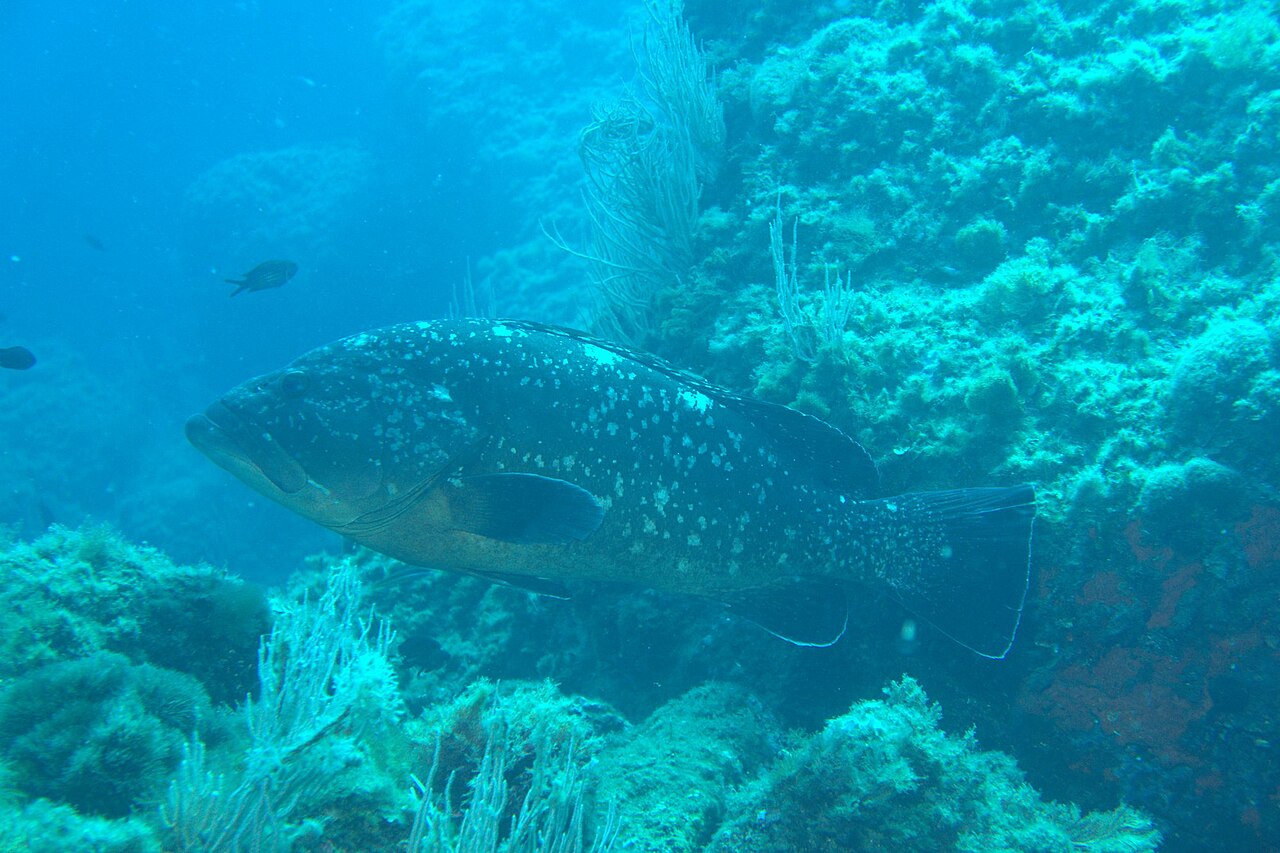
The most famous dive site on the coast. A network of tunnels runs through the island, with an exit at 10 meters and another deeper one. Outside, groupers await the divers. Level: all levels for the main tunnel.
2. Carall Bernat (Medes Islands)
This isolated pinnacle at the end of the archipelago is the best spot to see large groupers, schools of barracudas and sars, on a wall covered with gorgonians. The current can be strong here. Level: intermediate.
3. La Foradada (Montgrí Coast)
Between L’Estartit and L’Escala, the limestone cliffs of Montgrí are pierced with caves and arches. La Foradada is a wide tunnel that crosses a rocky cape, shallow and very bright. Level: all levels.
4. Cap Norfeu (Roses)
This cape in the natural park of Cap de Creus offers several dives on walls that descend beyond 40 meters, covered with red gorgonians. Groupers, dentex, and congers are regular visitors. Level: intermediate to advanced.
5. Massa d’Or (Cap de Creus)
An islet at the tip of the cape, exposed to wind and current. When conditions allow, it is one of the most spectacular dives in Catalonia: vertical walls, gorgonians, and open-water fish. Level: advanced.
6. Furió Fitó (Begur)
Off Aiguablava, this reef rises from about fifty meters to a dozen meters from the surface. Its walls are covered with some of the densest red gorgonians on the coast. Level: intermediate to advanced.
7. The Ullastres (Llafranc)
Three underwater pinnacles aligned in front of Llafranc, between 8 and over 40 meters. Gorgonians, red coral in the crevices, lobsters, groupers, and schools of damselfish. A classic accessible at several levels depending on the pinnacle chosen. Level: all levels to advanced.
8. The Boreas Wreck (Palamós)
This 40-meter tugboat was intentionally sunk in 1989 for divers. It lies upright on the sand at about thirty meters, housing congers, morays, and schools of fish. Nearby, the Formigues Islands offer beautiful relief dives. Level: advanced.
When to dive on the Costa Brava?
The season runs from May to October, and the Medes Islands can be dived year-round. The water temperature ranges from about 12 to 13°C in February to 23 to 25°C in August.
In summer, a marked thermocline sets in between 15 and 25 meters: you can find 16 to 18°C at the bottom. A 7 mm wetsuit remains the safest choice.
September is generally the best month: warm water, good visibility, and quiet dive sites. The tramontane, a north wind, can close the Cap de Creus for several days, but it often brings very clear water.
FAQ
Should I book in advance to dive at the Medes Islands?
Yes, during the high season. The number of divers allowed each day in the reserve is limited.
Medes Islands or Cap de Creus?
The Medes Islands for the densest wildlife and easy dives. The Cap de Creus for wilder landscapes and fewer people, but more dependence on the wind.
Is the Costa Brava suitable for beginners?
Yes. The Medes Islands, the Montgrí coast, and Tossa de Mar offer many shallow and sheltered dive sites.
What can you see while diving on the Costa Brava?
Brown groupers, barracudas, seabreams, dentex, moray eels, congers, octopuses, lobsters, red gorgonians, and red coral. In the spring, sunfish are sometimes spotted.
Partner dive centers in this destination
+ List my centerBook directly with our verified dive centers.