When to dive in Male, Maldives?
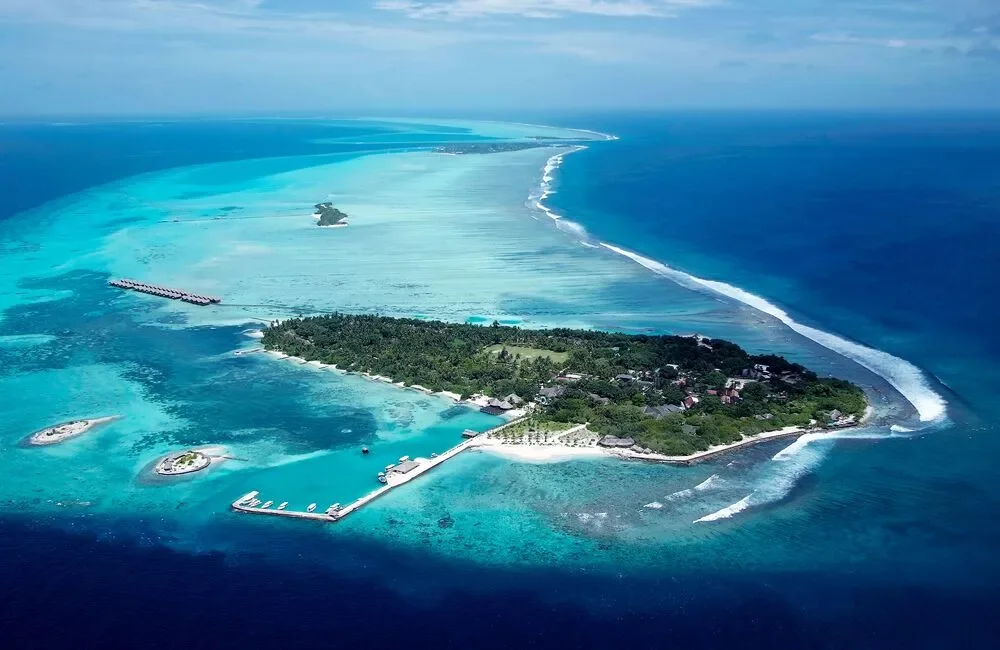
Surrounding the Maldivian capital is one of the most varied and accessible diving regions in the archipelago. Male North and Male South bring together thilas, channels, wrecks, cleaning stations, and drift dives, with conditions that change with the rhythm of the two monsoons.
The Male Atoll is divided into two large areas, Male North and Male South, separated by the Vaadhoo Kandu (channel). Their proximity to the international airport of Velana makes them one of the most easily accessible regions for diving in the Maldives.
It is also one of the historic diving areas in the archipelago, with many resorts, local islands, and dive centres allowing you to explore the reefs during day trips.
However, Male North and Male South do not have exactly the same personality.
Male North offers a great diversity of thilas, reefs, wrecks, and cleaning stations frequently visited seasonally by manta rays. Male South is more marked by its large channels, where currents can concentrate grey sharks, eagle rays, tuna, and schools of fish.
This diversity allows you to go from relatively protected reefs to more dynamic drift dives without changing the region completely.
Climate and Seasons
Temperatures vary little throughout the year. The air remains warm and the water temperature generally stays around 27 to 30 °C, allowing you to dive all year round.
The main difference is between dry season and wet season.
The dry season, mainly from January to March, generally offers more stable weather and less rainfall. December and April are more transition months.
The wet season, from May to November, brings more rain, wind, and variable surface conditions. Rain showers can be significant without occupying the whole day.
Underwater, this seasonality also affects currents and plankton concentration. A plankton-rich water can temporarily reduce visibility in certain areas, but it also favours some encounters, especially with manta rays.
At Male, there is therefore no period where diving becomes bad: the seasons mainly modify the conditions and the animals you can look for.
Diving Conditions
The current is one of the main elements to consider around Male.
In the channels, its direction and intensity vary, especially with the tides and water movements between the ocean and the atoll interior. When it is favourable, it concentrates fish and pelagics at the entrances to the channels.
This configuration is particularly characteristic of Male South, where several large channels give directly onto the ocean. Areas like Guraidhoo or Kandooma are known for their drift dives and the possible presence of grey sharks, eagle rays, and large schools of fish.
At Male North, the profiles are more varied. Some reefs allow for relatively calm dives, while thilas or exposed areas can present much stronger currents.
Visibility is generally good, but it varies with the season, current, and side of the atoll being explored. Perfectly clear water is not always what you're looking for in the Maldives: more plankton can also mean more activity for certain species.
It would be misleading to give a single level to Male. The chosen site and the conditions of the day count more than the simple fact of diving north or south.
Marine Life
Reef fauna is present throughout the year: butterflyfish, angelfish, moray eels, napoleons, turtles, fusiliers, fusiliers, carangues, and barracudas evolve around the reefs and thilas.
In the sectors subject to the current, the encounters take on a different dimension. Grey reef sharks, white-tip reef sharks, eagle rays, and tuna can take advantage of these water movements and gather around the channels.
Male South is particularly interesting for this type of dive, even if the sharks are obviously not reserved for this part of the atoll.
The Manta Rays
The manta rays give Male North a particularly interesting seasonality.
At Lankan Manta Point, located in the southeast of the atoll, they frequent the main cleaning station mainly during the wet season, with a particularly interesting period from May to November.
When the season changes, it doesn't mean that the manta rays disappear from the entire region. Their distribution evolves with the currents and plankton concentrations. Other sectors, such as Rasfari North, become particularly interesting during the drier period, between December and April.
As in Male and elsewhere in the Maldives, finding manta rays consists of choosing the right sector as much as the right month.
Where to Dive Around Male?
Male North
Male North concentrates several historical sites of Maldivian diving.
Banana Reef is one of the most known, with a relief composed of reefs, overhangs, and areas rich in fish. HP Reef and Nassimo Thila offer other landscapes, with coral formations, overhangs, and areas where the current concentrates marine life.
The region also has a more pelagic dimension with Lankan Manta Point, frequented seasonally by manta rays, as well as several reefs where sharks and rays can be encountered.
Islands like Himmafushi, Hudhuranfushi, and Dhiffushi constitute different bases for exploring this part of the atoll.
The Wrecks of Male North
Male North also allows you to change completely with several dives on wrecks.
The most famous one is the Maldives Victory, a cargo ship sunk in 1981 near the airport. The wreck descends to approximately 35 meters and has gradually integrated into the marine environment, attracting many fish today.
Sa depth and possible currents make it a more demanding dive than the most protected reefs of the atoll.
Male South
Beyond Vaadhoo Kandu, Male South offers a more structured dive around the channels.
Guraidhoo Kandu, Kandooma Thila and Cocoa Corner are among the most well-known sectors. When the current is favorable, grey sharks, eagle rays, tuna and schools of fish can concentrate around the channel entrances and exposed reefs.
The landscapes do not however limit themselves to kandus. Kandooma Caves stands out with its large overhangs, while other sites associate reefs and more sheltered reefs.
Islands like Guraidhoo, Rannalhi and Vadoo allow you to explore different parts of Male South.
This concentration of different dives on a relatively small territory is one of the main interests of the region: you can observe the life of a reef calmly during a dive and find yourself a few hours later in the current watching sharks pass by.
FAQ
What is the best time to dive in Male?
Diving is possible all year round.
January to March corresponds to the driest period, with generally more stable weather and less rainfall. May to November are more humid and can bring more wind and variable visibility depending on the sectors.
But this second period also has its advantages: it corresponds to the manta season on certain sites in Male North.
The best period therefore depends mainly on the type of dive and the encounters sought.
Male North or Male South: which one to choose for diving?
Both offer quite different experiences.
Male North stands out for the variety of its thilas, reefs, wrecks and seasonal manta sites. Male South has an identity more turned towards the channels, currents and encounters with sharks and other pelagics.
There is therefore no inherently better zone: the choice depends mainly on the type of dive sought.
When to see mantas in Male?
At Lankan Manta Point in Male North, mantas are mainly observed from May to November, during the humid season.
When the seasonal currents change, other sectors can become more interesting. Observations are also possible around Rasfari during the period from December to April.
Mantas do not simply disappear from Male at a specific date: they mainly change sector throughout the year.
Where to see sharks around Male?
Grey reef sharks and white-tip reef sharks can be encountered in different parts of the region.
Les passes of South Male are particularly interesting when the currents are favorable. Guraidhoo and Kandooma are among the sectors where whale sharks, manta rays and other pelagic creatures can take advantage of the water movements.
As always with wild animals, the current may be present without the sharks receiving an invitation.
Can we start diving in Male ?
Yes.
Not all of Male's sites are swept by the current. The two atolls have reefs and more protected sectors allowing to discover diving in accessible conditions.
On the other hand, some channels and certain thilas may require a good mastery of buoyancy, drift dives and water entries.
The choice of site must therefore be adapted to the level of the diver and especially to the conditions of the day.
Can we dive in Male during the wet season ?
Yes, without problem.
The period from May to November brings more rain and wind, but diving continues. The conditions may be more variable and visibility may be reduced when the water is charged with plankton.
This period even presents a particular interest at North Male, since it corresponds to the seasonal visit of Lankan Manta Point by the manta rays.
At the Maldives, a slightly less blue sky can very well accompany a much more interesting dive.
Partner dive centers in this destination
+ List my centerBook directly with our verified dive centers.