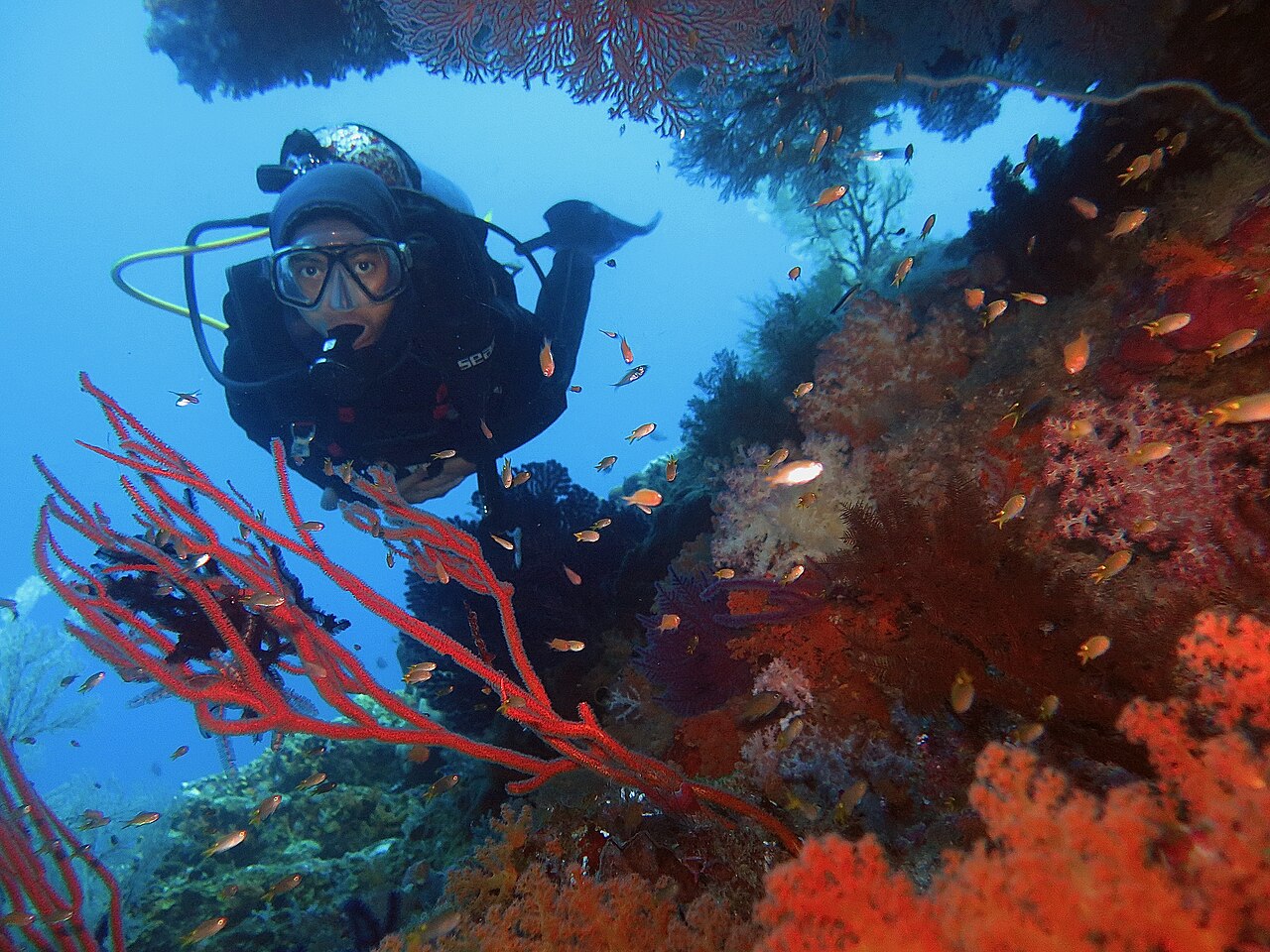
📷 Fakhrizal Setiawan, CC BY-SA 4.0, via Wikimedia Commons
Why dive in Raja Ampat? 8 great reasons
The journey is long, the budget significant, and the currents sometimes challenging. Yet, Raja Ampat tops the list for almost every diver who has been there. Here are eight solid reasons to dive in this archipelago of Papua, and what you need to know before booking.
When to Dive
Monthly overview of conditions in this destination.
| Jan | Feb | Mar | Apr | May | Jun | Jul | Aug | Sep | Oct | Nov | Dec | |
|---|---|---|---|---|---|---|---|---|---|---|---|---|
| Climate | 🌤️ | 🌤️ | 🌤️ | 🌤️ | 🌦️ | 🌦️ | 🌦️ | 🌦️ | 🌦️ | 🌤️ | 🌤️ | 🌤️ |
| Water temperature | 25-31 | 25-31 | 25-31 | 25-31 | 25-31 | 24-30 | 24-30 | 24-30 | 24-30 | 25-31 | 25-31 | 25-31 |
| Sea temperature | 28-30 | 28-30 | 28-30 | 28-30 | 28-30 | 27-29 | 27-29 | 27-29 | 27-29 | 28-30 | 28-30 | 28-30 |
| Peak season | ● | ● | ● | ● | ● | |||||||
| Dampier Strait | ⭐⭐⭐ | ⭐⭐⭐ | ⭐⭐⭐ | ⭐⭐⭐ | ⭐⭐ | ⭐ | ⭐ | ⭐ | ⭐⭐ | ⭐⭐⭐ | ⭐⭐⭐ | ⭐⭐⭐ |
| Misool | ⭐⭐⭐ | ⭐⭐⭐ | ⭐⭐⭐ | ⭐⭐⭐ | ⭐⭐ | ⭐ | ⭐⭐⭐ | ⭐⭐⭐ | ⭐⭐⭐ | |||
| Manta rays | 🐟🐟🐟 | 🐟🐟🐟 | 🐟🐟🐟 | 🐟🐟 | 🐟 | – | – | – | – | 🐟 | 🐟🐟 | 🐟🐟🐟 |
| Jan | Feb | Mar | Apr | May | Jun | Jul | Aug | Sep | Oct | Nov | Dec | |
|---|---|---|---|---|---|---|---|---|---|---|---|---|
| Climate | 🌤️ | 🌤️ | 🌤️ | 🌤️ | 🌦️ | 🌦️ | 🌦️ | 🌦️ | 🌦️ | 🌤️ | 🌤️ | 🌤️ |
| Water temperature | 25-31 | 25-31 | 25-31 | 25-31 | 25-31 | 24-30 | 24-30 | 24-30 | 24-30 | 25-31 | 25-31 | 25-31 |
| Sea temperature | 28-30 | 28-30 | 28-30 | 28-30 | 28-30 | 27-29 | 27-29 | 27-29 | 27-29 | 28-30 | 28-30 | 28-30 |
| Peak season | ● | ● | ● | ● | ● | |||||||
| Dampier Strait | ⭐⭐⭐ | ⭐⭐⭐ | ⭐⭐⭐ | ⭐⭐⭐ | ⭐⭐ | ⭐ | ⭐ | ⭐ | ⭐⭐ | ⭐⭐⭐ | ⭐⭐⭐ | ⭐⭐⭐ |
| Misool | ⭐⭐⭐ | ⭐⭐⭐ | ⭐⭐⭐ | ⭐⭐⭐ | ⭐⭐ | ⭐ | ⭐⭐⭐ | ⭐⭐⭐ | ⭐⭐⭐ | |||
| Manta rays | 🐟🐟🐟 | 🐟🐟🐟 | 🐟🐟🐟 | 🐟🐟 | 🐟 | – | – | – | – | 🐟 | 🐟🐟 | 🐟🐟🐟 |
Raja Ampat, the "Four Kings," is an archipelago of more than 1,500 islands and islets at the northwest tip of Indonesian Papua. Two areas concentrate most of the dives: the Dampier Strait, in the center, and Misool, in the south.
1. The greatest known marine biodiversity
Raja Ampat is at the heart of the Coral Triangle. More than 1,600 species of fish have been recorded there, along with about three-quarters of the known hard coral species in the world. In practical terms, this means that a single dive can offer what would take a week to see elsewhere.
2. Manta rays, reef and oceanic
This is one of the few places where both species can be observed. From October to April, they gather at the cleaning stations of Manta Sandy and Manta Ridge, in the Dampier Strait, and at Magic Mountain, in Misool.
3. Schools of fish as far as the eye can see
Cape Kri holds the record for the number of fish species counted in a single dive. At Blue Magic and Sardine Reef, fusiliers, trevallies, barracudas, and batfish form living walls as soon as the current sets in.
4. Animals rarely seen anywhere else
The wobbegong shark rests under coral tables. The epaulette shark, nicknamed the "walking shark," moves on its fins at night on the flats. Pygmy seahorses hide on gorgonians. For macro enthusiasts, the region is inexhaustible.
5. Corals in excellent condition
At Melissa’s Garden, in the Fam Islands, hard corals cover the reef without interruption. In Misool, the drop-offs of Boo Windows and Nudi Rock are covered with soft corals and giant gorgonians. Few destinations still offer reefs this dense.
6. Unique landscapes, even on the surface
Limestone karst peaks covered in jungle, turquoise lagoons, clear-water mangroves: the viewpoints of Piaynemo and Wayag are part of the journey. In Raja Ampat, surface intervals are almost as worthwhile as the dives.
7. Still low visitor numbers
The remoteness naturally limits the number of visitors. A mandatory entry permit funds the protection of the marine park, and a large part of Misool is classified as a reserve where fishing is prohibited. You often dive alone at the site.
8. Two ways to explore the archipelago
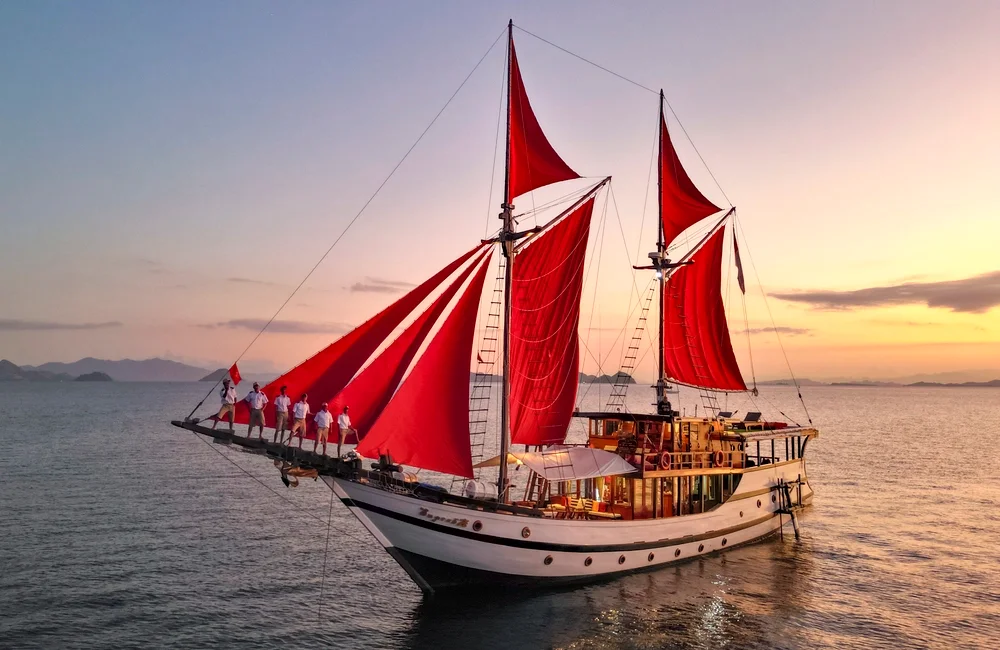
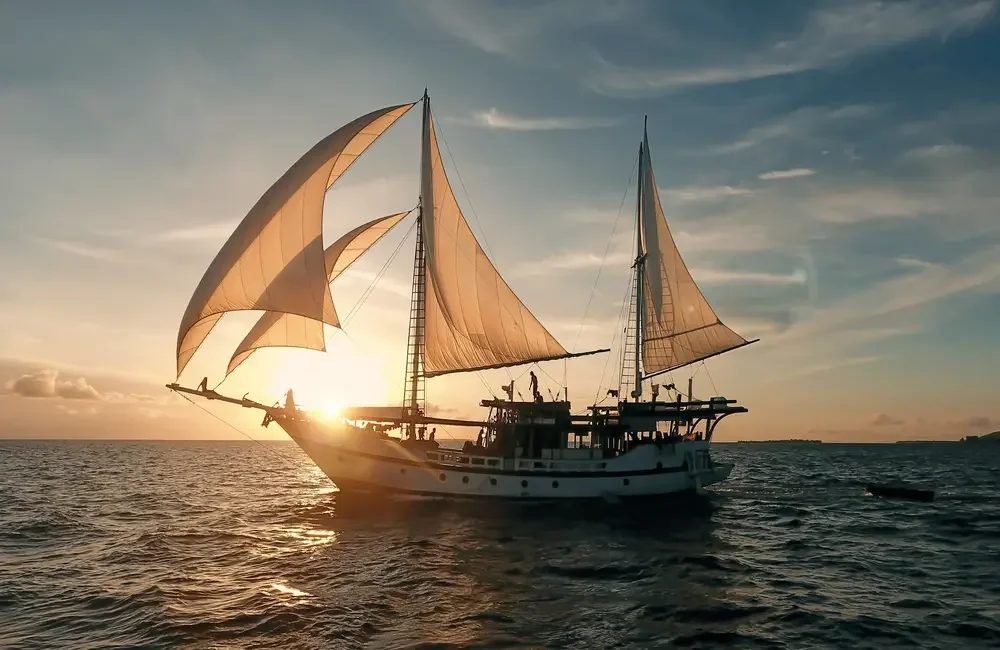
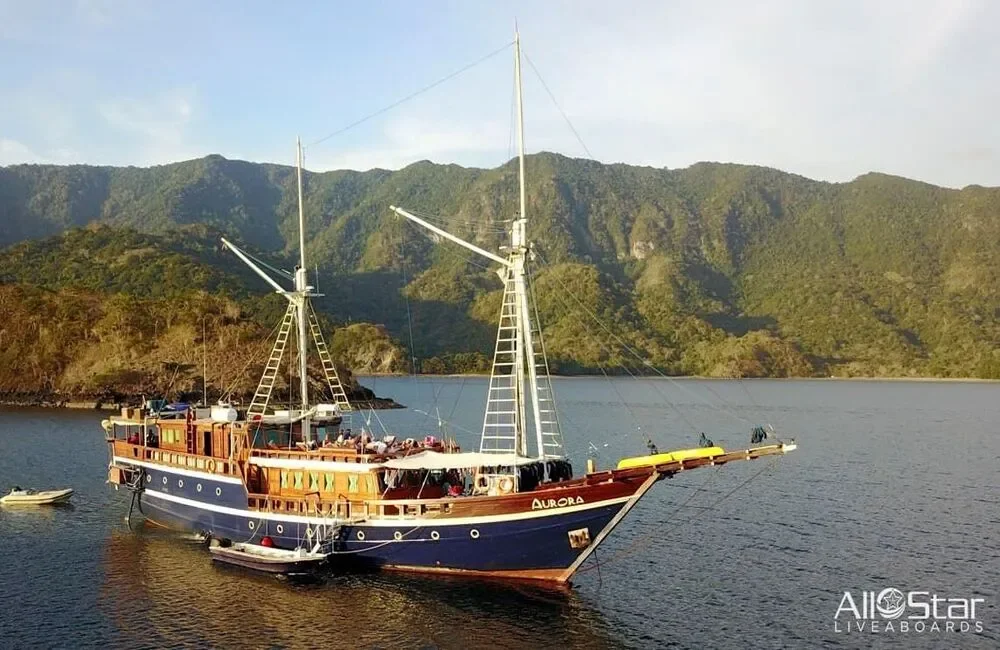
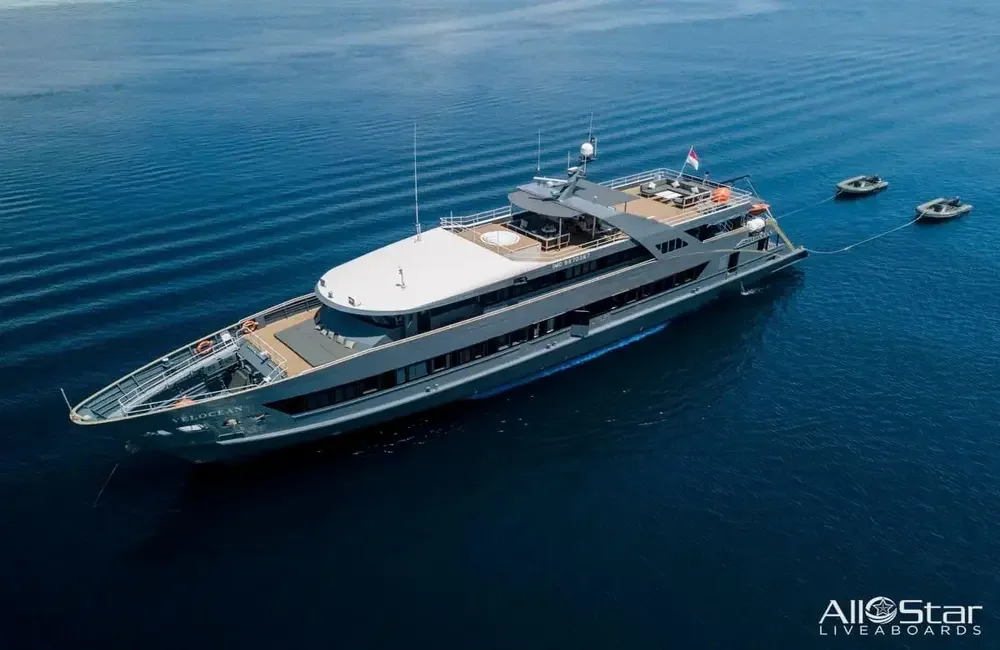
A liveaboard trip of 7 to 12 nights departing from Sorong allows you to combine the Dampier Strait and Misool. A stay in a resort or homestay offers a more flexible and affordable option, focused on the Dampier Strait.
What you need to know before you go
The season. The best time is from October to April: calm sea, manta rays present, all sectors accessible. From June to September, the southeast winds stir the sea, especially in Misool, and most liveaboards head to Komodo.
The level. Currents can be strong and variable. An Advanced level and around fifty dives allow you to truly enjoy the dive sites.
The conditions. The water remains between 27 and 30°C all year round. Visibility, from 10 to 30 meters, is rarely crystal clear: the water is rich in plankton, and that's what feeds all this life.
Getting there. You reach Sorong by an domestic flight from Jakarta or Makassar, then the islands by boat.
FAQ
Is Raja Ampat worth the trip?
For an experienced diver looking for a high density of marine life and well-preserved reefs, it's one of the best destinations in the world. For a beginner, it's better to gain experience elsewhere in Indonesia first.
What is the best time to go?
From October to April, with a peak for manta rays from December to March.
Dampier or Misool?
The Dampier Strait for schools of fish, manta rays, and stays on land. Misool for soft corals, landscapes, and isolation. A liveaboard allows you to do both.
How much time should I plan?
At least ten days on site, considering the length of the journey. Liveaboards usually last from 7 to 12 nights.
Partner dive centers in this destination
+ List my centerBook directly with our verified dive centers.