When to Dive in the Red Sea?
The Egyptian Red Sea can be dived year-round, with warm water, excellent visibility and conditions that vary by season. From Hurghada to Marsa Alam, from Dahab to offshore reefs like Brothers or Daedalus, this guide helps you choose the period best suited to what you're looking for.
When to Dive
Monthly overview of conditions in this destination.
| Jan | Feb | Mar | Apr | May | Jun | Jul | Aug | Sep | Oct | Nov | Dec | |
|---|---|---|---|---|---|---|---|---|---|---|---|---|
| Climate | ☀️ 20-23°C | ☀️ 21-24°C | ☀️ 24-27°C | ☀️ 27-31°C | ☀️ 30-34°C | ☀️ 32-36°C | ☀️ 34-38°C | ☀️ 34-38°C | ☀️ 32-36°C | ☀️ 29-33°C | ☀️ 25-29°C | ☀️ 21-24°C |
| Water Temperature | 22-23°C | 21-23°C | 22-23°C | 23-25°C | 25-27°C | 27-28°C | 28-30°C | 29-30°C | 28-30°C | 27-29°C | 25-27°C | 23-25°C |
| Conditions | ★ | ★ | ★★ | ★★★ | ★★★ | ★★★ | ★★★ | ★★★ | ★★★ | ★★★ | ★★ | ★★ |
| Oceanic Whitetip Shark | ★ | ★ | ★★ | ★★ | ★★★ | ★★★ | ★★★ | ★★★ | ★★★ | ★★★ | ★★ | ★ |
| Hammerhead Shark | ✕ | ✕ | ★ | ★★ | ★★★ | ★★★ | ★★★ | ★★★ | ★★★ | ★★ | ★ | ✕ |
| Dolphins | ★★ | ★★ | ★★ | ★★ | ★★ | ★★ | ★★ | ★★ | ★★ | ★★ | ★★ | ★★ |
| Turtles | ★★★ | ★★★ | ★★★ | ★★★ | ★★★ | ★★★ | ★★★ | ★★★ | ★★★ | ★★★ | ★★★ | ★★★ |
- Diving is possible year-round, with water temperatures ranging from 21 to 30 °C depending on the season and region.
- Visibility often exceeds 20 meters and regularly reaches 30 meters or more at many sites when conditions are favourable.
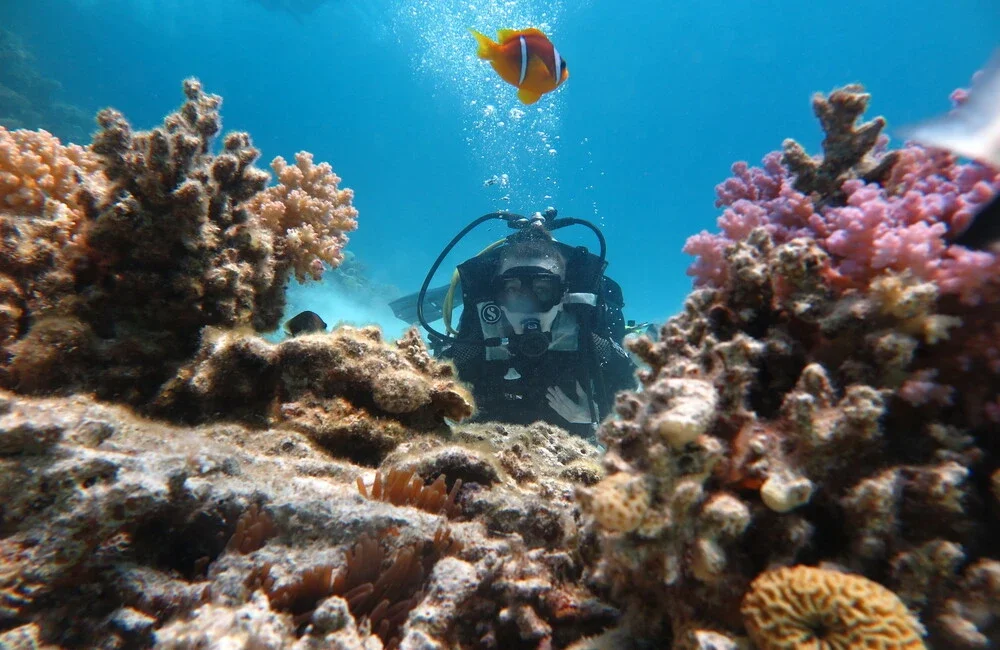
- The Red Sea is home to one of the richest coral reefs in the world, with more than 1,200 fish species, including many endemic ones.
- Each season offers different encounters: turtles, dolphins and reef sharks can be observed year-round, while some pelagic species are more common at certain times or on certain sites.
- Choosing when to go depends above all on what you're after: water temperature, target species, how busy the dive sites are, liveaboard or a stay at a dive centre. There's no real "bad season" for diving in the Red Sea.
Climate and diving conditions in the Red Sea
The Red Sea is one of the few diving destinations where you can travel year-round. Bordered by desert, it enjoys a particularly dry climate, generous sunshine and very low rainfall. Air temperatures generally range from around 20°C in winter to over 35°C in summer, while water temperature ranges between 21 and 30°C depending on the season and region.
Underwater conditions remain excellent all year round. Visibility frequently exceeds 20 meters and regularly reaches 30 meters, sometimes more, on certain reefs far from sandy areas. This exceptional clarity is largely due to the absence of major rivers flowing into the Red Sea, which limits the input of sediment and suspended matter.
The seasons affect diving comfort more than the quality of the underwater scenery. In winter, a 5mm wetsuit is generally recommended, while a 3mm wetsuit, or even a simple lycra for those less sensitive to cold, is often enough during summer. Winds can be stronger in winter and spring, sometimes making the sea choppier in certain areas or forcing boats to adjust their route. Currents also vary by site: they generally stay moderate on many coastal reefs but can be strong on certain offshore reefs like the Brothers, Daedalus or Elphinstone.
What wildlife can you see in the Red Sea?
The Red Sea is considered one of the richest marine ecosystems on the planet. Its coral reefs are home to more than 1,200 fish species, nearly 10% of which are endemic, along with a wide diversity of corals, turtles, rays, dolphins and sharks. This exceptional biodiversity allows for wonderful sightings all year round, even though some species are encountered more often depending on the season or region.
Divers can spot hawksbill and green turtles year-round, along with many reef fish, moray eels, Napoleon wrasse, barracuda, and jack schools. Dolphins are also regularly encountered, especially around certain reefs or during boat trips. At Abu Dabbab, near Marsa Alam, it's also possible to spot dugongs, one of the Red Sea's most iconic marine mammals.
Big pelagic enthusiasts generally favour remote offshore reefs like Brothers Islands, Daedalus Reef, Elphinstone or Rocky Island. These sites are known for encounters with oceanic sharks, including oceanic whitetips, hammerheads or various reef shark species. Sightings naturally vary depending on conditions and season, but spring, summer and early autumn are often considered the best periods for these species on the offshore reefs.
Season therefore affects the odds of an encounter more than the richness of underwater life itself. Whether you're passionate about macro photography, coral reefs or big predators, every time of year offers different experiences. Choosing the best time depends above all on the species you want to see and the dive sites you plan to explore.
Where to dive in the Red Sea depending on the season?
The Red Sea offers a wide variety of dive sites, each with its own character. More than the season itself, it's often the choice of region or itinerary that will shape your underwater experience. Between coastal reefs accessible from a dive centre and remote reefs only visited on liveaboards, each destination has its own character and iconic wildlife.
The northern Red Sea, around Hurghada, Safaga, El Gouna, Sharm el-Sheikh and Dahab, is known for its well-preserved coral reefs, numerous wrecks and generally easy conditions. World-famous sites like Ras Mohammed, the Strait of Tiran, the SS Thistlegorm or the Dahab Blue Hole are among the must-dive sites in the region. These areas suit both beginner and experienced divers, depending on the site chosen.
Further south, Marsa Alam, El Quseir and the Fury Shoals reefs are prized for their coral gardens, walls and frequent encounters with turtles, dolphins and, in some areas, dugongs. Divers looking for more thrilling experiences often favour offshore reefs like Elphinstone, Brothers Islands, Daedalus Reef, Rocky Island or Zabargad. These sites, mostly accessible by liveaboard, are known for their currents, spectacular walls and encounters with big pelagics.
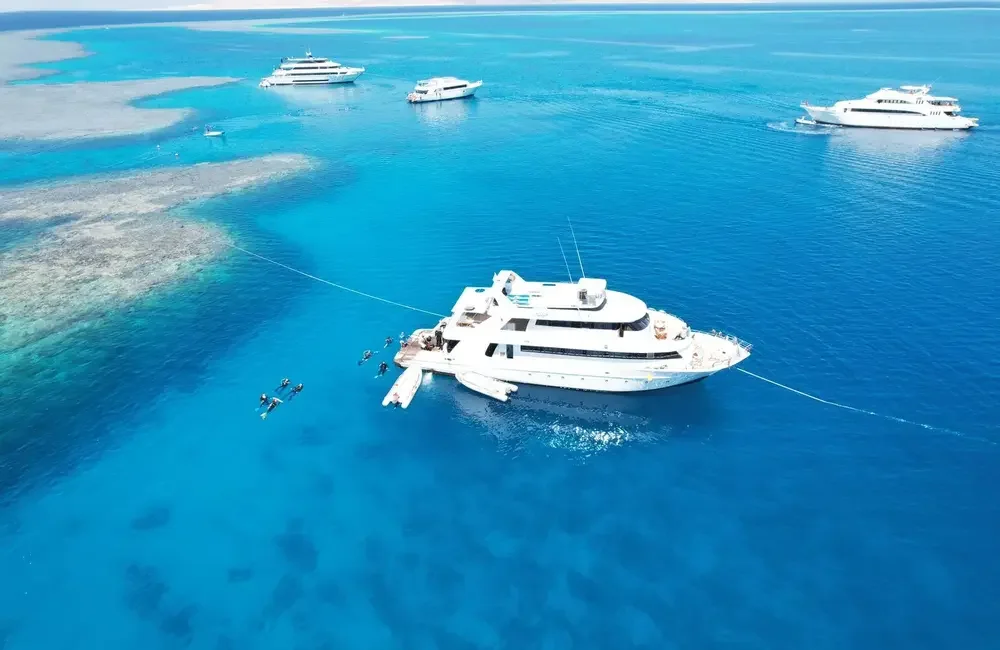
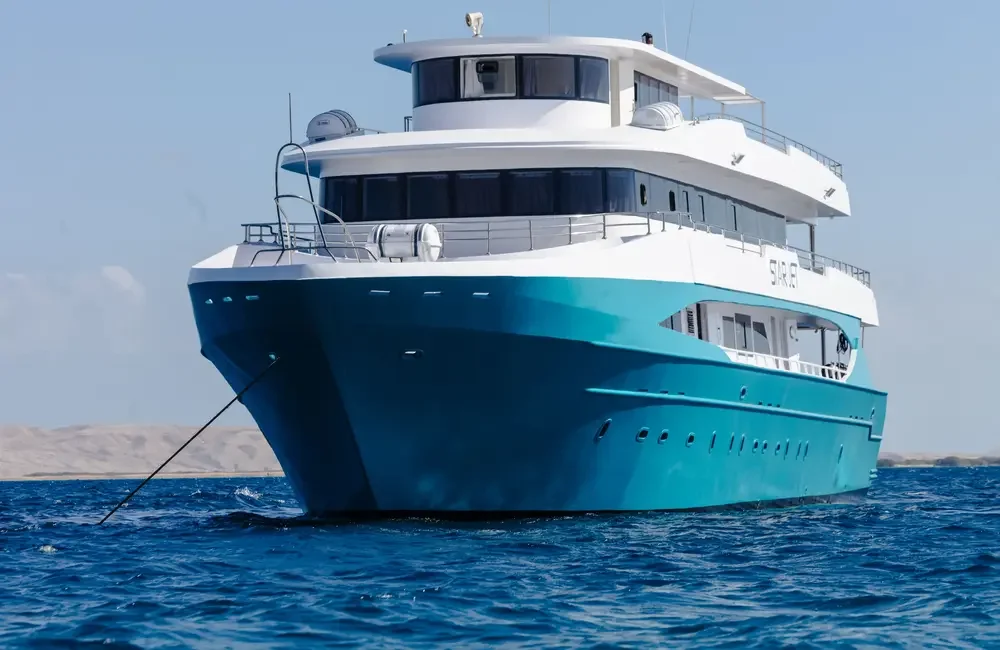
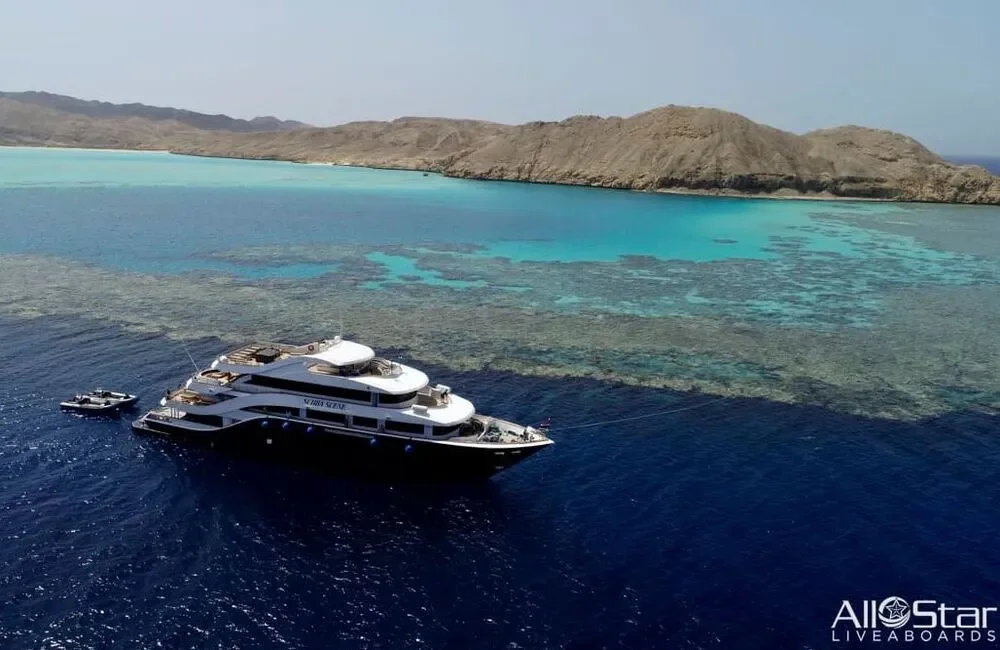
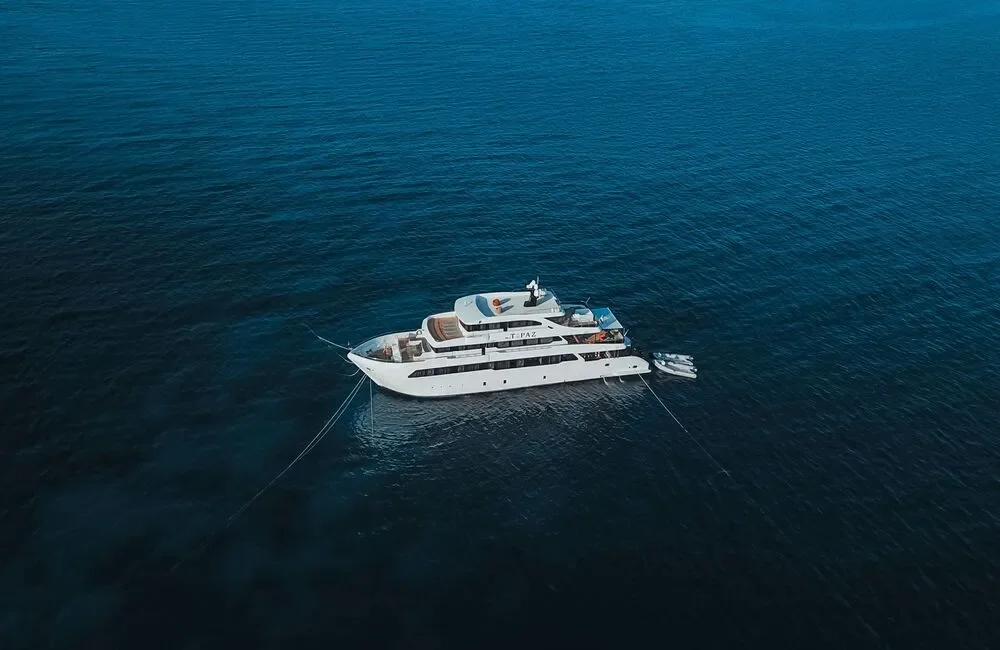
Whatever month you travel, the Red Sea offers options suited to every type of diver. A stay at a dive centre lets you discover a region's finest reefs at your own pace, while a liveaboard gives access to the most remote sites and the legendary itineraries of the Egyptian Red Sea.
Partner dive centers in this destination
+ List my centerBook directly with our verified dive centers.